
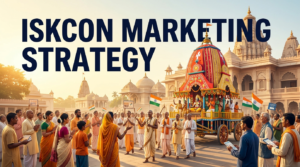
How does a spiritual organization founded in a small New York storefront become internationally recognizable across countries, languages, and cultures?
The history of the International Society for Krishna Consciousness (ISKCON), popularly known as the Hare Krishna movement, offers a valuable case study in organizational identity, educational publishing, community development, public events, and communication across cultural boundaries.
Founded by A. C. Bhaktivedanta Swami Prabhupada in New York City in July 1966, ISKCON developed through a combination of spiritual teaching, public chanting, books, temples, festivals, volunteers, and local communities.
Its history can also be examined through modern marketing concepts. A clear identity helps people understand an organization’s purpose. Educational content gives audiences an opportunity to explore ideas. Community activities encourage continuing relationships, while public events create experiences that people can share.
However, an important distinction must be maintained: ISKCON is a religious and spiritual organization, not simply a commercial brand. Its outreach is connected to its religious teachings and spiritual objectives.
This article examines ISKCON’s journey from 1966 through October 20, 2026, identifies documented outreach activities, and explores practical lessons that businesses, entrepreneurs, and nonprofit organizations can learn.
The objective is not to suggest that every initiative was designed as a marketing campaign. Instead, it is to understand how a clearly communicated mission, consistent educational resources, public participation, and community relationships can contribute to long-term recognition.
1. What Is ISKCON?
ISKCON stands for the International Society for Krishna Consciousness. It is part of the Gaudiya Vaishnava tradition and teaches Krishna consciousness through devotional practices, scriptural study, chanting, worship, and community activities.
Its principal scriptural foundations include the Bhagavad-gita and Srimad-Bhagavatam. Its activities include temple worship, lectures, festivals, educational programs, book distribution, and community initiatives.
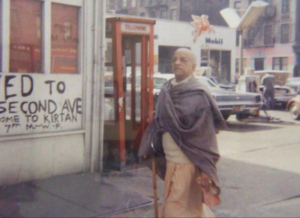
A. C. Bhaktivedanta Swami Prabhupada founded ISKCON in New York City in July 1966 after arriving in the United States in September 1965.
His early work included lectures, personal outreach, and the development of a small community around a storefront on the Lower East Side.
From an organizational perspective, several elements of this history are especially relevant:
- A defined spiritual mission.
- A founder who communicated that mission directly.
- Educational materials that could circulate beyond in-person meetings.
- Physical places where people could participate.
- Public activities that made the movement visible.
- Local communities capable of sustaining ongoing engagement.
These elements provide a framework for examining ISKCON’s history without reducing its religious purpose to commercial objectives.
2. ISKCON’s Foundation and Historical Background
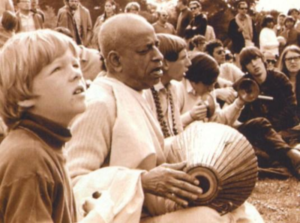
ISKCON’s early development began with direct human interaction rather than modern digital promotion.
Prabhupada lectured, wrote, met people, and worked with early followers to establish a functioning organization. As the community developed, its activities extended beyond individual lectures to temples, publications, and public events.
The organization’s stated purposes included spreading spiritual knowledge, teaching Krishna consciousness, encouraging congregational chanting, developing places for spiritual practice, promoting a simpler way of life, and publishing and distributing religious literature.
These were religious and organizational objectives. Viewed through a marketing lens, however, they also illustrate how a mission can guide multiple forms of communication and participation.
Marketing interpretation: ISKCON’s early development linked its message to repeatable activities such as lectures, books, chanting, gatherings, and community life. This made its teachings accessible through more than one point of contact.
Important limitation: Historical growth cannot be attributed to any single factor without stronger evidence. Leadership, religious conviction, historical circumstances, interpersonal relationships, and cultural interest may all have contributed.
3. ISKCON Marketing and Outreach Timeline: 1966–2026
Phase 1: Foundation and Early Outreach (1966–1970)
ISKCON was founded in New York City in July 1966. Prabhupada’s lectures, personal communication, public chanting, and early community gatherings helped establish the organization’s initial presence.
The first ISKCON Rathayatra festival was held in San Francisco in 1967.
Marketing lesson: Direct communication and opportunities for participation can help a new organization introduce its mission to people who have never encountered it before.
Phase 2: International Expansion and Institutional Development (1970–1980)
During this period, ISKCON expanded internationally and developed publishing, temple, and community activities. The Bhaktivedanta Book Trust was established in 1972.
Books, temples, lectures, and public festivals helped carry the organization’s teachings across geographic boundaries.
Marketing lesson: Multiple communication channels can reinforce a common identity when they are connected to a consistent mission.
Phase 3: Community Development and Brand Recognition (1980–2000)
Temples, public festivals, educational activities, and local communities continued to shape ISKCON’s presence. Organizational growth also brought challenges involving governance, reputation, and child safeguarding.
Marketing lesson: Visibility and growth must be supported by responsible leadership, ethical standards, and institutional accountability.
Phase 4: Internet and Digital Transition (2000–2015)
Websites and online publishing created new ways to discover organizational information and access spiritual literature. Digital audio, video, and multimedia also extended the availability of educational resources.
Marketing lesson: Digital information can make educational content accessible beyond physical locations, provided that it remains accurate, useful, and easy to navigate.
Phase 5: Social Media and Mobile-First Outreach (2015–2022)
Video platforms, social media, and online broadcasts offered additional ways to access lectures and community activities.
Digital platforms created opportunities to reach people who could not attend events in person. However, the exact adoption and performance of these channels varied across organizations and locations.
Marketing lesson: Choose digital channels according to audience needs rather than assuming that every platform is necessary.
Phase 6: Digital Opportunities and Modern Outreach (2022–October 20, 2026)
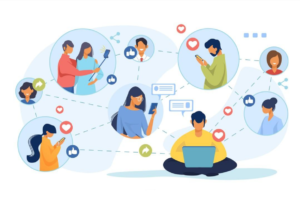
Digital education, multilingual communication, livestreaming, and mobile-friendly resources remain important opportunities for religious outreach.
Artificial intelligence may offer applications in transcription, translation, accessibility, and content organization. However, specific AI adoption should not be attributed to ISKCON without reliable documentation.
Marketing lesson: Technology can extend access, but it cannot replace accuracy, human judgment, ethical conduct, or community trust.
4. The Core Elements of ISKCON’s Outreach Strategy
A. Brand Positioning and Identity
A recognizable identity helps people understand what an organization represents.
ISKCON’s name, devotional practices, scriptural teachings, temple environments, and public chanting provide recognizable points of reference.
The organization’s official website uses the phrase “Chant. Dance. Feast. Serve.” as an accessible invitation to experience devotional activities.
From a brand strategy perspective, three elements stand out:
- Identity: A consistent name associated with Krishna consciousness.
- Message: Spiritual education, devotion, and community participation.
- Experience: Opportunities to attend a temple, participate in chanting, study, and serve.
Business lesson: A brand becomes easier to understand when its identity, message, and actual experience reinforce one another.
Businesses should develop identities appropriate to their own missions rather than copying religious imagery or language.
B. Founder-Led Brand Building
Prabhupada’s role was central to ISKCON’s early development. He traveled internationally, lectured, wrote books, and worked with early followers to establish centers.
His work illustrates the importance of a founder who can communicate an organization’s purpose clearly and consistently.
Founder-led communication can help an emerging organization because audiences can understand the mission directly from the person responsible for articulating it.
However, founder-led growth also creates a long-term challenge: the institution must preserve its purpose and standards beyond the founder’s personal involvement.
Business lesson: Founders can establish a strong direction, but sustainable organizations need documented processes, capable leadership, and governance that continue beyond one individual.
C. Content Marketing Through Books and Education
One of the most significant elements of ISKCON’s history is its emphasis on publishing.
The Bhaktivedanta Book Trust was established in 1972. Its publications include translations and commentaries on texts such as Bhagavad-gita As It Is, Srimad-Bhagavatam, and Sri Caitanya-caritamrita.
The organization also describes its publishing work as extending into digital audio, video, and multimedia.
Publishing makes educational material available beyond a lecture or physical gathering. Readers can study it independently, revisit it, share it, and explore related material.
In modern marketing terminology, this resembles some functions of content marketing:
- Communicate useful information.
- Give audiences a way to explore a subject in depth.
- Maintain a recognizable editorial approach.
- Make material available through multiple distribution channels.
- Support continued learning over time.
The historical distinction matters: ISKCON’s publications are primarily religious and educational works, not merely promotional content designed to generate sales.
Business lesson: Businesses can build authority by publishing useful guides, explanations, case studies, and educational resources instead of relying exclusively on promotional messages.
D. Experiential Marketing: Kirtan, Rathayatra, and Festivals
Public events offer a way for people to encounter an organization through direct participation.
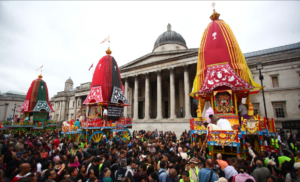
ISKCON’s history includes the first San Francisco Rathayatra festival in 1967 and the development of the London Rathayatra from 1969 onward.
These events brought devotional practices into public spaces and became recurring forms of community activity.
A public festival may include music, processions, visual symbols, food distribution, interaction, and opportunities to learn more. These elements can make an event memorable and encourage attendees to share their experiences.
In marketing analysis, this is comparable to experiential marketing: communicating an identity through an experience rather than only through advertisements.
However, religious festivals have their own spiritual meaning and should not be treated merely as promotional events.
Business lesson: Demonstrations, workshops, public education, open houses, and community events can help an audience experience what an organization offers before making a commitment.
E. Community Building and Relationship Marketing

Temples, local gatherings, volunteer activities, and recurring educational programs can create continuing relationships rather than one-time interactions.
ISKCON’s stated purposes include bringing members together and encouraging spiritual education and congregational chanting.
From a relationship-marketing perspective, repeated interactions can support trust, familiarity, and a sense of belonging.
A practical business analogy is a community built around professional education, customer support, workshops, or peer learning. People return not simply because they saw an advertisement, but because they find continuing value in the relationship.
Business lesson: Customer acquisition is only one part of growth. Retention, service quality, communication, and genuine community value matter too.
F. Global Branding and Local Adaptation
ISKCON’s development across countries illustrates the challenge of maintaining a recognizable institutional identity in different cultural environments.
Its common spiritual tradition provides continuity, while local temples and communities operate within different languages, customs, and social settings.
Global consistency does not require identical communication everywhere. Language, examples, event formats, accessibility, and local community needs can differ.
Business lesson: Maintain a consistent core message while adapting delivery to the local audience. International growth requires both identity and cultural understanding.
G. Digital Marketing and Social Media
Digital communication can extend access to information beyond physical locations.
ISKCON’s official website provides organizational information, while the Bhaktivedanta Book Trust describes digital audio, video, and multimedia as part of its publishing activity.
Relevant digital channels and practices include:
- Websites that explain the mission and provide reliable information.
- Search visibility that makes educational material discoverable.
- Video that makes lectures and educational content available to remote audiences.
- Livestreaming that allows people to follow selected activities from a distance.
- Social media for announcements, educational excerpts, and event information.
- Multilingual content that reduces language barriers.
- Mobile-friendly content that makes information accessible on smartphones.
These are useful areas for analysis, but public visibility alone does not prove campaign effectiveness. Reliable conclusions about reach, engagement, or conversion require actual analytics.
There is also no basis for claiming that all ISKCON centers use the same platforms, advertising systems, or AI tools.
Business lesson: A digital strategy should be built around audience needs, useful content, accessibility, and measurable outcomes—not simply the number of accounts or posts.
H. Public Relations and Media Visibility
Public festivals, international travel, cultural participation, and publishing can attract media attention.
The relationship between the Hare Krishna movement and the Beatles-associated Apple Records release of the Hare Krishna mantra in 1969 is one documented example of popular-cultural exposure.
Media attention can help an organization become known beyond its existing community. However, coverage may be positive, critical, or mixed.
Business lesson: Public relations is not just about getting attention. It also involves providing accurate information, responding to questions, and maintaining credibility when difficult issues arise.
I. Word-of-Mouth and Volunteer Networks
Personal recommendations can introduce people to organizations in ways that feel more relevant than generic advertising.
ISKCON’s early development involved a small group of regular attendees who helped establish the society, followed by the formation of additional centers and communities.
It is reasonable to analyze personal interaction and volunteer participation as potential contributors to awareness and continuity. However, their precise contribution to organizational growth cannot be quantified from the available historical accounts alone.
Business lesson: Make it easy for satisfied customers and engaged community members to share useful information voluntarily. Trust should be earned rather than manufactured through pressure.
J. Donations, Fundraising, and Ethical Communication
Religious organizations may rely on donations, book sales, contributions, and other locally managed resources. These arrangements should be examined using verifiable information about the particular institution or project rather than assuming every temple has the same finances.
Ethical supporter communication should make the purpose of a request clear, avoid misleading claims, respect people’s decisions, and explain how contributions are handled where appropriate.
Business lesson: Whether an organization seeks donations, subscriptions, or commercial revenue, transparency is essential to long-term trust.
5. Five Evidence-Based ISKCON Case Studies

Case Study 1: Early Public Outreach in New York
Background: Prabhupada arrived in New York in September 1965 and established ISKCON in July 1966. His early activities included lectures and meetings in a small storefront on the Lower East Side.
Documented activities: Lectures, personal engagement, early community formation, and the establishment of an organized spiritual society.
Audience: People interested in the teachings and practices being presented. The available sources do not establish a single formal marketing target audience.
Marketing interpretation: Direct communication reduced the distance between a new organization and potential participants. Regular meetings also created opportunities for people to return, ask questions, and develop relationships.
Observable outcome: The organization subsequently opened centers in additional North American cities during its early years.
Limitations: This expansion cannot be attributed solely to public lectures or personal outreach.
Business lesson: Start with a clear message and meaningful direct engagement. Early trust often grows through conversations and consistent delivery rather than large promotional budgets.
Case Study 2: Publishing Through the Bhaktivedanta Book Trust
Background: The BBT was established in 1972 to publish works associated with Prabhupada and the Krishna consciousness tradition.
Documented activities: Publishing translations and commentaries, distributing books, and extending the availability of educational materials across languages and media.
Audience: Readers, students, devotees, and others interested in Vaishnava philosophy and related subjects.
Marketing interpretation: Publishing gives an organization a durable educational resource that can be revisited independently of the original speaker or event.
Observable outcome: The BBT’s published catalog and its stated multilingual publishing activity demonstrate the international scope of its educational distribution.
Limitations: Book distribution does not automatically establish how many readers agreed with the teachings, became members, or continued engaging.
Business lesson: Develop educational assets that remain useful after a campaign ends. A strong guide, tutorial, or research report can continue serving an audience over time.
Case Study 3: Rathayatra and Public Festival Engagement
Background: ISKCON held a Rathayatra in San Francisco in 1967. The London festival began in 1969 and later developed into a recurring public event.
Documented activities: Public chariot processions and festival activities that brought devotional traditions into city streets and public gathering places.
Audience: Festival attendees and members of the wider public who encounter the procession. This describes the likely public audience, not a verified formal targeting plan.
Marketing interpretation: A recurring, visible public event can create awareness through direct experience, distinctive imagery, and personal sharing.
Observable outcome: The documented continuation and development of Rathayatra events demonstrate that the format became a recurring part of public outreach in multiple locations. This does not establish a specific marketing conversion rate.
Limitations: Attendance alone does not prove long-term engagement or explain why individuals participate.
Business lesson: Create experiences people can participate in and remember. Measure not only attendance but also satisfaction, accessibility, and voluntary follow-up.
Case Study 4: Building Temple-Centered Communities
Background: ISKCON’s historical development included the opening of temples and the creation of communities in multiple countries.
Documented activities: Temple-based worship, educational activities, gatherings, and community participation.
Audience: People who choose to participate in the relevant local community or educational activities.
Marketing interpretation: A permanent local presence can provide continuity that occasional public events cannot. People can return, form relationships, and access ongoing activities.
Observable outcome: The continued existence of centers and communities is documented by ISKCON’s organizational resources. It does not, by itself, establish the satisfaction or experience of every participant.
Limitations: Local communities can differ in governance, resources, accessibility, and quality of participation.
Business lesson: Long-term relationships need dependable service, clear standards, and meaningful opportunities for participation.
Case Study 5: Official Websites and Digital Educational Resources
Background: ISKCON and the BBT maintain online information and educational resources, including material associated with publications and multimedia.
Documented activities: Online organizational information and digital publishing resources.
Audience: People seeking information about the organization, its teachings, publications, or activities.
Marketing interpretation: Digital resources can extend the availability of information beyond a physical location and help people discover relevant materials independently.
Observable outcome: The existence of these public resources demonstrates digital availability. It does not establish specific traffic, engagement, or conversion figures.
Limitations: Online information is only useful when it is accurate, accessible, maintained, and easy to navigate.
Business lesson: A website should answer visitors’ real questions and offer clear next steps instead of functioning solely as an online brochure.
6. Competitive and Comparative Analysis

ISKCON’s outreach can be compared with that of other educational, cultural, and nonprofit organizations through communication principles rather than religious rankings.
Useful comparison dimensions include:
- Brand consistency.
- Educational content.
- Community participation.
- Public events.
- Digital accessibility.
- Local adaptation.
- Relationship building.
- Public accountability.
For example, an educational nonprofit may use publications to make knowledge accessible, a cultural organization may organize festivals to encourage participation, and a business may build a customer community around useful services.
These approaches can share communication principles while serving very different purposes.
A meaningful comparison requires reliable evidence about each organization. Without comparable data, claims that one organization has a superior marketing strategy would be speculative.
7. Marketing Framework Analysis
The following frameworks help translate ISKCON’s documented activities into concepts that marketing professionals can evaluate. They are analytical tools, not evidence that ISKCON officially uses these frameworks.
STP: Segmentation, Targeting, and Positioning
Segmentation: Different people may encounter ISKCON through books, festivals, temples, lectures, or online material.
Targeting: Different activities may naturally appeal to different groups, although formal targeting plans must be verified separately.
Positioning: The organization presents itself through Krishna consciousness, devotional practice, spiritual education, and community.
Business lesson: Not every audience needs the same content or experience. Businesses should tailor communication to genuine differences in customer needs while maintaining an honest core identity.
Brand Identity and Brand Equity
Brand equity refers to the recognition, associations, and trust associated with a name or organization.
ISKCON’s established name, publishing activity, temples, and public festivals provide multiple ways for people to recognize it. Whether these associations are positive, negative, or mixed depends on the individual and the context.
Business lesson: Brand recognition is not identical to brand trust. Consistent communication must be supported by credible conduct.
Content Marketing
Books, lectures, and educational resources can be analyzed through the principles of content marketing because they make information available for continued learning. Their religious purpose, however, remains distinct from commercial content created to sell a product.
Business lesson: Create resources that answer meaningful questions and retain value after the initial publication date.
Community-Led Growth
Community-led growth describes how participation, relationships, and shared activities can help an organization sustain engagement and reach new people.
ISKCON’s documented temple communities, public festivals, and educational activities provide relevant examples for analysis.
Business lesson: Give people a genuine reason to return, participate, and share their experiences. Do not treat every relationship as a sales opportunity.
Relationship Marketing
Relationship marketing focuses on trust and continuing engagement rather than isolated transactions.
In a business setting, this can involve good customer support, useful follow-up, reliable service, and long-term customer education.
Business lesson: Retention requires delivering ongoing value, not simply sending more messages.
Experiential Marketing
Rathayatra and other public festivals demonstrate how participation can communicate a tradition through direct experience.
Business lesson: When appropriate, let people experience a service, demonstration, workshop, or event instead of asking them to rely entirely on advertising claims.
Word-of-Mouth Communication
Personal recommendations may introduce people to an organization through trusted relationships. However, the scale and effect of word-of-mouth should be measured rather than assumed.
Business lesson: Encourage genuine recommendations by delivering value. Avoid fabricated reviews, paid endorsements presented as independent opinions, or coercive referral tactics.
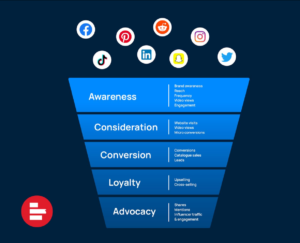
Customer Journey Analysis
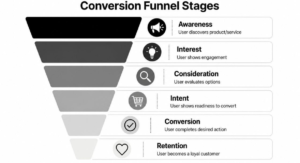
A commercial customer journey may include awareness, consideration, conversion, retention, and advocacy.
A similar framework can help a nonprofit or educational organization identify whether its information is easy to discover and whether people can find appropriate next steps.
It should not be used to reduce spiritual belief or religious commitment to a commercial funnel.
Digital Channel Analysis
An organization can evaluate websites, search, video, social platforms, email, and live events according to their different purposes.
For businesses, useful measures may include qualified website visits, lead quality, conversion rate, retention, and cost per acquisition.
These metrics are appropriate only when they correspond to the organization’s actual objectives and can be measured reliably.
8. SWOT Analysis of ISKCON’s Outreach
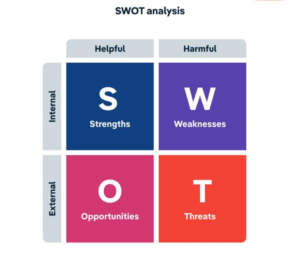
This SWOT analysis combines documented organizational characteristics with strategic interpretations. It is not a formal assessment published by ISKCON.
Strengths
- Established spiritual identity and history.
- A substantial body of published educational material.
- Temples, festivals, and opportunities for participation.
- International presence and local communities.
- Multiple ways to access teachings and activities.
Weaknesses and Challenges
- Organizational practices and communication can vary between local institutions.
- Complex philosophical material may require careful explanation for newcomers.
- Physical access and digital accessibility are not necessarily consistent everywhere.
- Institutional trust can be damaged by failures in governance or safeguarding.
Opportunities
- Better multilingual and mobile-friendly educational resources.
- More accessible digital learning and public information.
- Clearer website navigation and event information.
- Transparent reporting and stronger safeguarding practices.
- Responsible use of digital tools to improve accessibility.
Threats and Risks
- Misinformation and misleading online representations.
- Reputational damage from misconduct or inadequate accountability.
- Dependence on third-party platforms and changing platform policies.
- Public skepticism when institutional statements lack adequate evidence or follow-through.
The main strategic implication is that visibility and reputation must be managed together.
An organization may have a recognizable identity and a large body of educational material, yet still face serious questions about accountability and institutional conduct.
Opportunities listed here are recommendations, not verified plans that ISKCON has committed to implement.
9. Ethics, Criticism, and Reputation Management
A credible marketing case study must consider not only the activities that create recognition but also the conduct that affects public trust.
ISKCON has faced documented controversies involving institutional governance and child safeguarding. Its own historical material acknowledges that serious child-protection concerns emerged during the late 1980s and 1990s, prompting the development of dedicated child-protection structures. The Governing Body Commission has also published an apology acknowledging failures in the care of children in its early gurukula system.
These matters should not be generalized to every devotee, temple, or activity. Equally, they should not be dismissed merely because they concern a particular institution or period.
A responsible organizational analysis should follow these principles:
- Distinguish allegations, established findings, organizational statements, and ongoing proceedings.
- Give appropriate context and avoid sensationalism.
- Do not present an institutional response as independent confirmation of its own claims.
- Protect children and other vulnerable people.
- Use credible safeguarding processes and appropriate independent oversight.
- Communicate material developments accurately and promptly.
- Demonstrate accountability through verifiable action, not merely public-relations language.
Marketing lesson: Reputation is not only a communication problem. It is also a governance, leadership, and operational responsibility.
A business facing a serious complaint should not attempt to solve it with promotional content alone. It should investigate fairly, correct substantiated failures, protect affected people, and communicate responsibly.
10. Fifteen Marketing Lessons Businesses Can Learn from ISKCON
1. Build a Recognizable Identity
Maintain a consistent name, visual identity, and core message. ISKCON’s established organizational identity provides a useful example of continuity across activities.
2. Communicate a Clear Central Message
Make it easy for people to understand what you do, who you serve, and why your work matters. Clarity is more useful than a collection of unrelated slogans.
3. Invest in Educational Content
Develop useful articles, guides, videos, and research. ISKCON’s publishing history demonstrates the role sustained educational distribution can play in extending access to information.
4. Build Communities, Not Just Audiences
Give people meaningful opportunities to learn, ask questions, participate, and connect with others.
5. Create Memorable Experiences
Workshops, product demonstrations, public events, and educational sessions can make an organization’s message tangible.
6. Maintain Relationships Over Time
Follow up with permission, answer questions, provide useful support, and continue delivering value after the first interaction.
7. Adapt to Local Audiences
Use appropriate languages, examples, formats, and service arrangements while preserving the essential brand identity.
8. Encourage Authentic Word-of-Mouth
Deliver an experience worth recommending. Never manufacture testimonials or disguise paid endorsements as independent opinions.
9. Make Useful Information Accessible
Organize websites so people can quickly find pricing, services, locations, FAQs, contact details, and relevant educational resources.
10. Publish Consistently
Build a sustainable publishing schedule rather than producing content in irregular bursts. Prioritize usefulness and accuracy over volume.
11. Protect Trust Through Transparency
Explain your claims, prices, policies, and limitations clearly. Respond to legitimate complaints instead of hiding inconvenient information.
12. Use Digital Channels to Extend Access
Make your expertise available through mobile-friendly websites, videos, useful articles, and accessible digital resources.
13. Maintain Consistent Standards Across Channels
Your website, social profiles, sales materials, and customer support should communicate the same basic facts and promises.
14. Protect Long-Term Reputation
Ethical conduct, good governance, and responsible leadership matter more than short-term publicity.
15. Measure Outcomes Honestly
Track the indicators relevant to your objectives. Do not confuse views with qualified leads, event attendance with retention, or marketing activity with business results.
These lessons are transferable principles, not a claim that ISKCON’s history can be replicated by a commercial organization. Businesses must adapt them to their own customers, operating conditions, and ethical responsibilities.
11. How Modern Businesses Can Apply These Marketing Lessons: The 2 NICE LIFE Perspective

For modern businesses, the practical question is how to translate long-term communication principles into a focused growth strategy.
2 NICE LIFE — Your Growth Partner is a digital marketing agency whose official website describes services including websites and apps, digital branding, lead generation, Google Ads, Meta Ads, YouTube Ads, and media buying.
The following applications connect the lessons in this case study with practical marketing work.
1. Build a Clear Brand Position
Before spending heavily on advertising, identify:
- Who your ideal customer is.
- What problem your business solves.
- Why a customer should consider your offering.
- What evidence supports your claims.
- How your message differs from competing options.
A clear position helps align the website, social media, sales conversations, and advertising.
2. Use SEO and Content Marketing to Build Discoverability
Publish useful resources that answer real customer questions. Depending on the business, this might include service guides, educational articles, product comparisons, original research, and transparent case studies.
A strong content strategy should prioritize accuracy, search intent, and usefulness. Search rankings and traffic are not guaranteed.
3. Make the Website a Useful Next Step
A website should help visitors understand the offer and take an appropriate action.
Important elements include clear service descriptions, mobile usability, transparent pricing where appropriate, credible proof, relevant FAQs, and a simple contact or inquiry process.
Conversion optimization should improve clarity and reduce unnecessary friction—not manipulate visitors.
4. Build Relationships Before and After the Sale
Offer useful information and responsive support. Follow up appropriately, respect communication preferences, and provide a good customer experience after the initial conversion.
For some businesses, workshops, educational email series, customer communities, or demonstrations may be more effective than relying entirely on promotional posts.
5. Use Paid Advertising Where It Makes Sense
Google Ads and Meta Ads can help businesses reach relevant audiences, but advertising should follow a defined objective and a realistic measurement plan.
Before scaling a campaign, establish how leads will be qualified, how conversions will be tracked, and how costs will be compared with business outcomes.
6. Measure What Actually Matters
Useful indicators may include:
- Qualified leads.
- Cost per qualified lead.
- Lead-to-customer conversion rate.
- Customer acquisition cost.
- Revenue and contribution margin.
- Repeat purchases or customer retention.
- Organic traffic that generates meaningful inquiries.
Choose metrics according to the business model. Do not use impressive-looking numbers as a substitute for evidence of value.
Work With 2 NICE LIFE — Your Growth Partner

Want to turn marketing insights into a practical growth strategy for your business?
Explore 2 NICE LIFE at https://2nicelife.com/ to learn about its digital marketing, branding, lead generation, advertising, and website/app services.
This is an independent educational analysis of ISKCON’s history. It does not imply that ISKCON is a 2 NICE LIFE client or endorses the agency.
12. Future Opportunities Beyond 2026
The following points are strategic recommendations, not predictions about confirmed ISKCON plans.
More Accessible Digital Education
Organizations with substantial educational material can improve access through clear navigation, searchable archives, captions, transcripts, and mobile-friendly presentation.
Multilingual Content
Translations and locally relevant explanations can help audiences access educational material in their preferred language. Quality control is especially important when translating religious or philosophical concepts.
Responsible Use of Artificial Intelligence
AI tools may assist with transcription, translation drafts, accessibility, and content organization. Any use should protect personal information, respect copyright, and preserve the accuracy of religious teachings.
No specific AI adoption should be attributed to ISKCON without direct, reliable evidence.
Better Measurement
Organizations can evaluate whether their websites and educational resources are accessible and useful without reducing every interaction to a conversion metric. Feedback, usability testing, accessibility checks, and carefully selected engagement measures can all contribute.
Stronger Accountability and Public Trust
Clear safeguarding standards, independent oversight where appropriate, accurate reporting, and timely communication are essential for institutional credibility.
Digital reach can extend an organization’s message, but it cannot replace ethical conduct or sound governance.
13. Frequently Asked Questions About ISKCON Marketing Strategy

1. What Is ISKCON?
ISKCON stands for the International Society for Krishna Consciousness, also known as the Hare Krishna movement. It is a Gaudiya Vaishnava religious organization founded by A. C. Bhaktivedanta Swami Prabhupada in New York City in July 1966.
2. When Was ISKCON Founded?
ISKCON was founded in July 1966. Its early activities centered on lectures, personal outreach, and community formation in New York.
3. Who Founded ISKCON?
A. C. Bhaktivedanta Swami Prabhupada founded ISKCON. His work included teaching, writing, international travel, and the establishment of temples and publishing activities.
4. How Did ISKCON Gain International Recognition?
Its documented activities included founder-led teaching, book publishing, temple development, public festivals, and community participation. These activities provided different ways for people in different places to encounter the organization. Their individual contribution to growth cannot be precisely quantified from the historical sources used here.
5. What Role Did Book Distribution Play in ISKCON’s Outreach?
Publishing made scriptural translations and commentaries available beyond in-person lectures and temple gatherings. The Bhaktivedanta Book Trust continues to describe multilingual publishing and digital multimedia as part of its work.
6. How Do Festivals and Public Chanting Contribute to Awareness?
Public festivals and chanting create opportunities for direct participation and cultural engagement. ISKCON’s San Francisco Rathayatra dates to 1967, while London’s festival began in 1969.
7. How Does ISKCON Use Digital Platforms for Education and Outreach?
Publicly available resources include the official ISKCON website and the BBT’s digital audio, video, and multimedia materials. The available sources do not establish uniform digital practices or performance metrics for every center.
8. What Can Businesses Learn From ISKCON’s Branding Strategy?

Businesses can study its historical emphasis on a recognizable identity, educational publishing, recurring public activities, and community relationships. These principles should be adapted to each organization’s purpose rather than copied mechanically.
9. Is ISKCON’s Outreach Strategy the Same as Conventional Commercial Marketing?
No. ISKCON’s stated purposes are religious and educational. Marketing frameworks can help analyze aspects of its communication and outreach, but they do not fully explain its spiritual motivations or the experiences of its members.
10. How Can Businesses Apply Community-Building Principles Ethically?
Provide genuine value, respect privacy and consent, communicate honestly, create meaningful opportunities for participation, and avoid pressuring people into purchases or commitments.
Conclusion: What ISKCON’s History Teaches Us About Long-Term Outreach
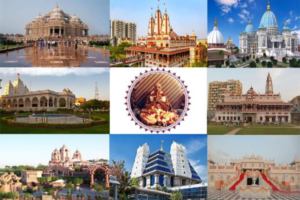
ISKCON’s development from its founding in 1966 provides a useful historical case study in how an organization can communicate a consistent mission through multiple channels.
Its documented history includes founder-led teaching, educational publishing, public festivals, temples, local communities, and digital resources. Each provides a different way for people to encounter and explore the organization’s teachings.
The central lesson is not that a religious organization should be evaluated as a business. It is that communication, educational resources, public participation, and continuing relationships can help an organization make its mission accessible across different places and generations.
The same principles can inform business strategy when applied appropriately:
- Build an identity people can understand.
- Publish useful, accurate information.
- Create meaningful experiences.
- Maintain relationships over time.
- Adapt communication to local needs.
- Measure outcomes honestly.
- Protect trust through responsible conduct.
For businesses seeking to grow, marketing should be more than a series of advertisements. It should connect a clear value proposition with useful content, a good customer experience, and credible evidence.
2 NICE LIFE — Your Growth Partner can be a starting point for businesses exploring digital marketing, branding, lead generation, and website/app development.
Visit https://2nicelife.com/ to learn more about the agency’s services.
Sources and Further Reading
- ISKCON Official Website — History: https://iskcon.org/history/
- ISKCON Official Website — Mission: https://iskcon.org/mission/
- Bhaktivedanta Book Trust — About: https://bbt.org/about
- ISKCON News — London Rathayatra History: https://iskconnews.org/the-glorious-50th-anniversary-of-sri-sri-radha-londonisvara/
- Oxford Academic — Scholarly Research on ISKCON: https://academic.oup.com/book/4305/chapter-abstract/146207267
- ISKCON Child Protection Resources: https://iskconjusticeministry.org/iskcon-agencies/child-protection/
- 2 NICE LIFE — Your Growth Partner: https://2nicelife.com/